

ServicesMobile appsStartups to enterprise
Native and cross-platform apps built for performance and scale.

Overview
What this service covers.
We design and build mobile applications for iOS and Android, native or cross-platform when it fits, with clear scope, solid architecture, API integration, and a codebase your team can keep evolving after release.
Mobile apps earn their place when people need to do something quickly, away from a desk: capture information in the field, check a status, approve a request, scan, pay or get notified at the right moment.
We design and build iOS and Android apps, either natively in Swift and Kotlin or cross-platform in Flutter or React Native, together with the APIs and backend services they depend on. The goal is an app that passes store review, behaves well on real devices and networks, and can keep evolving after launch.
A strong fit when
- Your users work on the move and a responsive website is not enough for the task.
- You need device features such as the camera, location, notifications, offline storage or Bluetooth.
- An existing app has stability, performance or maintainability problems that slow down releases.
- You want one product on iOS and Android without maintaining two unrelated codebases.
Consider another route when
- The audience mainly uses a desktop browser. A web application will reach them more cheaply.
- The app would only wrap a website without using anything specific to the device.
Capabilities
What we deliver.
- 01
iOS development
Native Swift experiences when platform depth and polish matter
- 02
Android development
Kotlin apps aligned with Android platform conventions
- 03
Cross-platform delivery
Flutter or React Native when one codebase serves both platforms well
- 04
App UI and product flows
Mobile interfaces designed for real use, not desktop layouts squeezed into a phone
- 05
Backend and API integration
APIs, auth, and connected services wired into the product intentionally
- 06
Release preparation and iteration
Submission readiness, a repeatable release process, and room to improve after launch
Tools and technologies
- Flutter
- React Native
- Swift / SwiftUI
- Kotlin
- API integration
- Store release support
Approach
How we think about it.
- 01
Native or cross-platform
Cross-platform frameworks like Flutter and React Native let one team ship to both stores from a shared codebase, which suits most business and content apps. Native development in Swift and Kotlin makes more sense when the app leans heavily on platform-specific features, demanding graphics or the newest OS capabilities on release day.
We recommend one approach after discovery, based on the features you need, your release cadence and who will maintain the app afterwards. If your team already knows one ecosystem well, that usually weighs heavily.
- 02
Designed for real conditions
Apps are used on slow networks, with interrupted sessions, low battery and one hand. We design flows that save progress, handle connectivity gaps and keep the most common actions within reach. Offline support is planned explicitly, because deciding later which data must sync and how conflicts resolve is expensive.
The backend matters as much as the app. Authentication, push notifications, file uploads and API versioning all need to be designed so older app versions keep working while users update at their own pace.
- 03
Release and after launch
Store review is a release step in its own right. We prepare builds, metadata, privacy declarations and review notes, and we set up a repeatable release process so later updates are routine rather than a scramble.
After launch, crash reports and usage signals show where to improve. You can continue with scoped support or take the app in-house with documented code and a working build pipeline.
How we work
From scope to release.
01
Stage 1Product and platform discovery
- You get
- Target users, platforms, device capabilities and the first release scope agreed.
02
Stage 2UX and architecture
- You get
- Native or cross-platform recommendation, app architecture, API contracts and key screen flows.
03
Stage 3Iterative development
- You get
- Installable test builds at each iteration through TestFlight and Play testing tracks.
04
Stage 4Test builds and hardening
- You get
- Testing across devices and OS versions, crash reporting and performance checks.
05
Stage 5Release and handover
- You get
- Store submission support, release process documentation and a handover window.
Recent work
Recent client work.
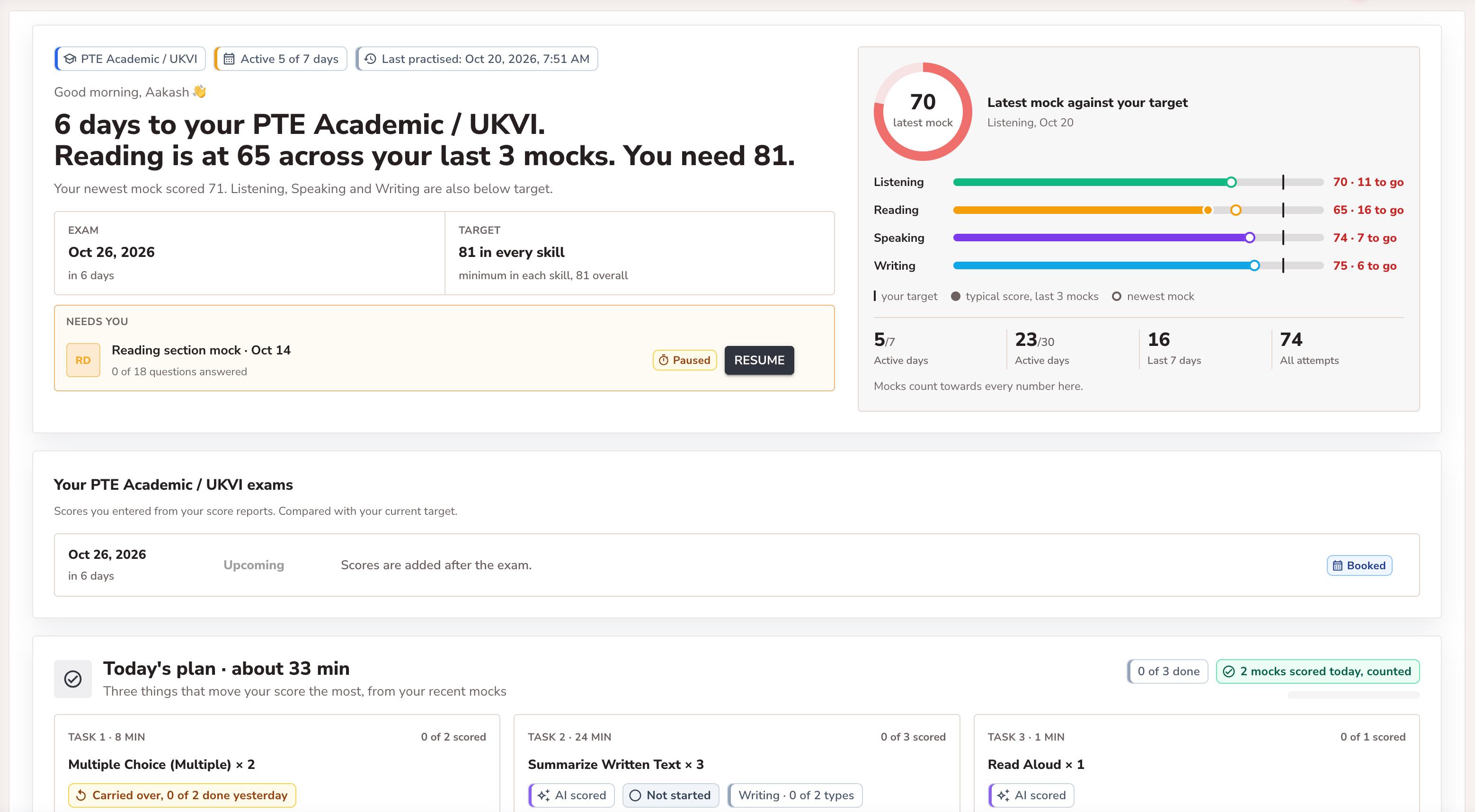 Education Technology
Client
EdKnot
practice questions
Making PTE preparation more focused with AI-powered practice
- Web Application Development
- EdTech Platform
- AI Integration
- Read the case study
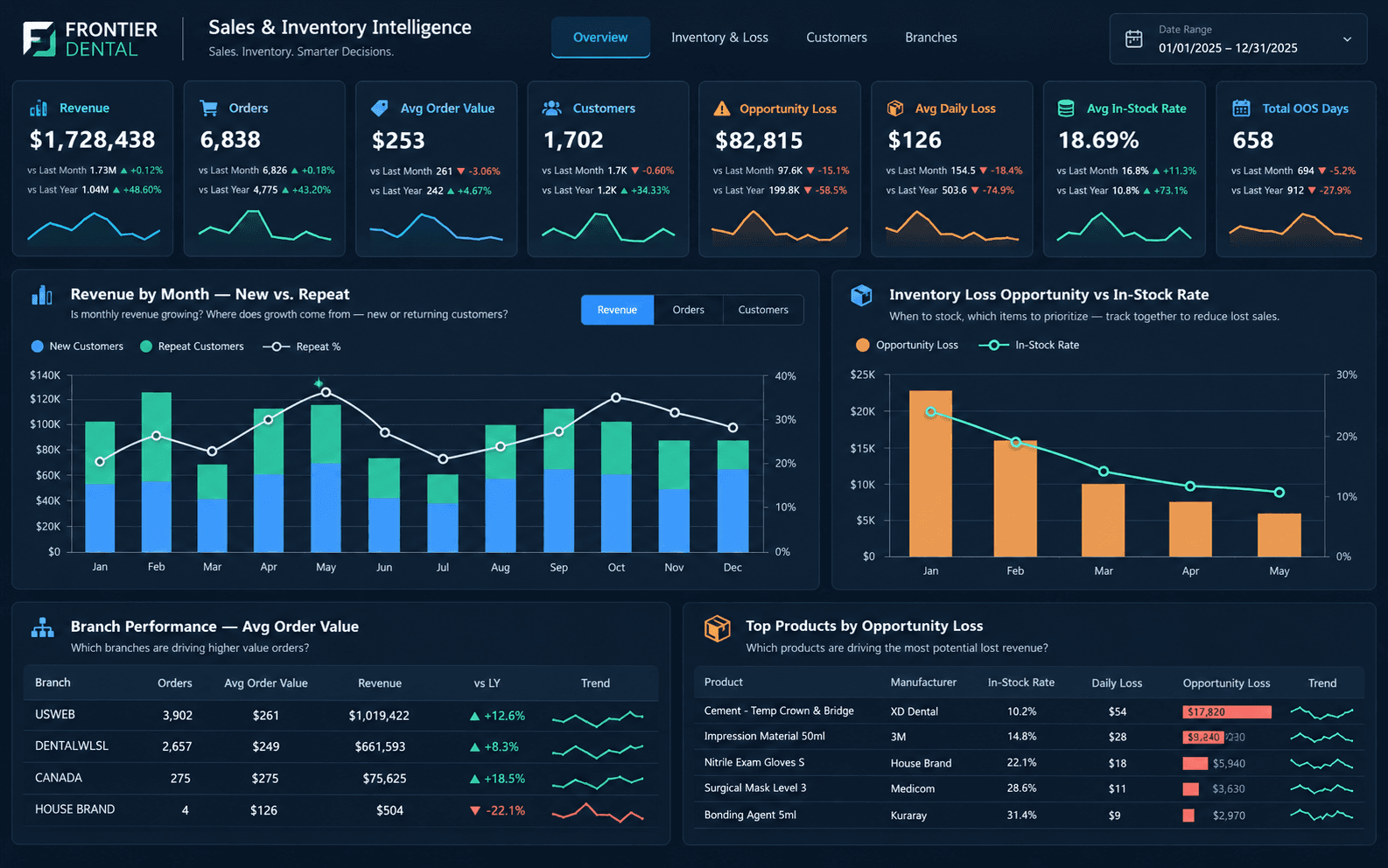 Power BI
Client
ITC
reporting areas in one view
Bringing sales and inventory into one reporting view
- Power BI
- Sales Analytics
- Inventory Intelligence
- Read the case study
 UiPath
Client
RPA
automation projects
RPA across operations, clinics, and compliance
- UiPath
- Workflow automation
- System integration
- Read the case study
Explore the full portfolioAll case studies
FAQ
Common questions.
Related services
Often combined with.
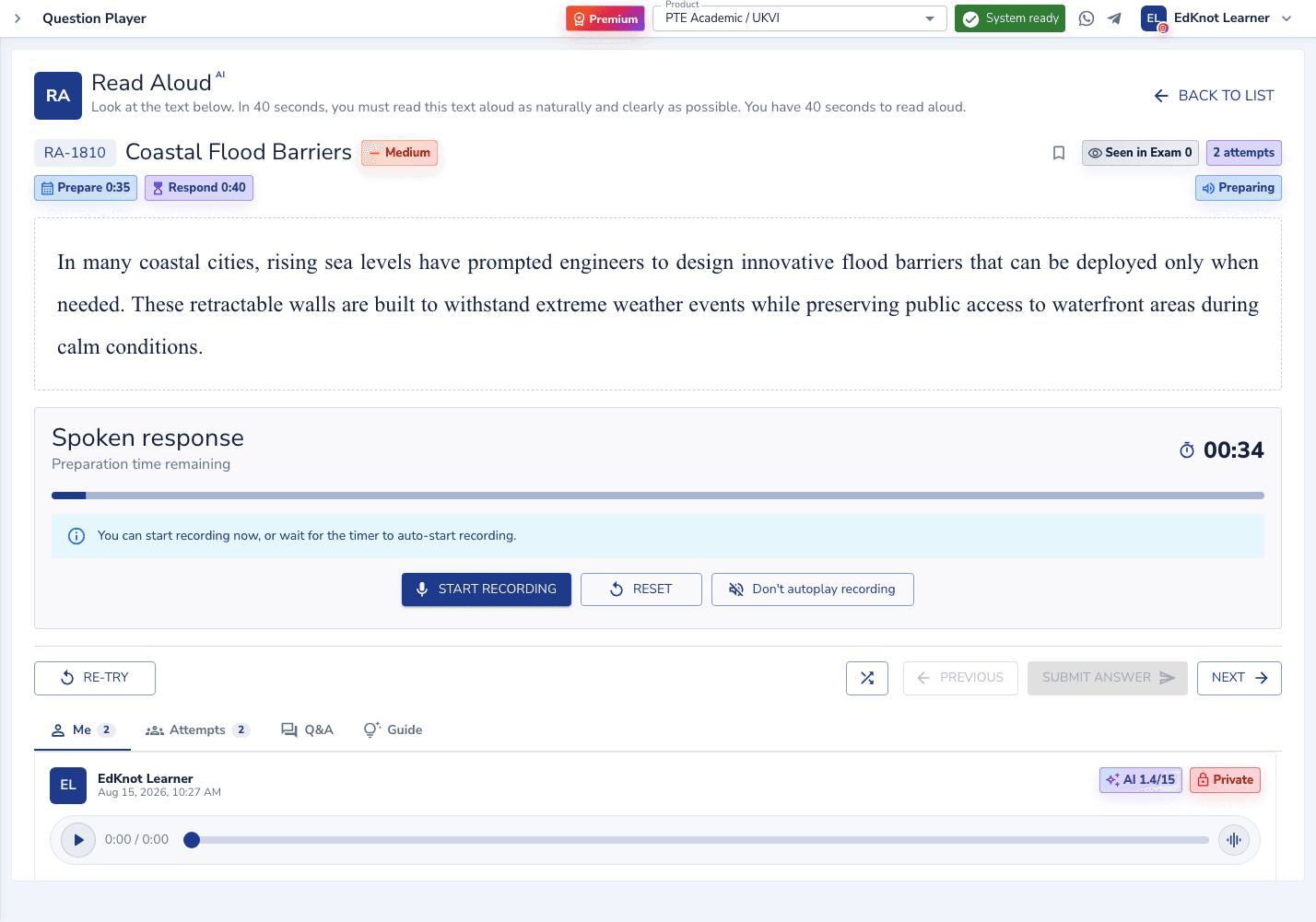 Software engineered around how your business actually operates.
Custom software development
 Product design that makes complex software clear and usable.
Product UI/UX design
 Connected systems, so data moves reliably across the business.
System integration
Explore every capabilityAll services
Let’s build what’s next
Tell us what you are building and we will show you how we would deliver it.