
ServicesCloud & DevOpsStartups to enterprise
Cloud infrastructure and delivery pipelines built for reliable releases.

Overview
What this service covers.
We help teams set up and improve cloud environments, CI/CD, infrastructure as code, containers, and observability so releases are routine and environments stay reproducible.
If releasing software means a late-night checklist, or only one person knows how production is set up, the problem is not effort. It is infrastructure and delivery practices that have not kept pace with the product.
We set up and improve cloud environments on AWS, Google Cloud and Azure, CI/CD pipelines, infrastructure as code, containers and observability, so releases become routine, environments can be rebuilt from code, and your team can see problems before users report them.
A strong fit when
- Deployments are manual, infrequent or stressful, and rollbacks are improvised.
- Production was configured by hand and nobody is sure how to recreate it.
- You are moving from a single server or another provider to a managed cloud platform.
- Cloud costs keep rising and nobody can say which workloads drive them.
Consider another route when
- You need round-the-clock managed operations with guaranteed response times. That calls for a managed service provider.
- The application only needs a simple managed hosting platform with no custom infrastructure.
Capabilities
What we deliver.
- 01
Cloud setup and migration
Establish or move workloads on AWS, GCP, or Azure with a plan that fits the system you already have
- 02
CI/CD pipelines
Automated build, test, and deploy paths that make weekday releases normal
- 03
Environments and containers
Reproducible environments, with Docker and Kubernetes where they reduce operational risk
- 04
Infrastructure as code
Environments defined in code so setup is not trapped in one person's notes
- 05
Observability and reliability practices
Metrics, logs, and alerts that help you see problems before users do
- 06
Cost-aware architecture
Right-sizing and sensible defaults so infrastructure spend tracks actual usage
Tools and technologies
- AWS
- Google Cloud
- Azure
- Kubernetes
- Terraform
- Docker
- CI/CD
Approach
How we think about it.
- 01
Releases that are boring
The goal of a delivery pipeline is to make shipping uneventful. Every change is built, tested and deployed the same way, preview environments let people check work before it merges, and a bad release can be rolled back in minutes. Once releasing is cheap, teams ship smaller changes more often, which is itself the best way to reduce risk.
We fit the pipeline to the team. A small product rarely needs the tooling of a large platform team, and complexity that nobody maintains becomes a liability.
- 02
Infrastructure as code
When infrastructure is defined in code, environments can be reviewed, versioned and recreated. A new staging environment is a pull request rather than a week of clicking through a console, and production stops depending on one person's memory.
We introduce infrastructure as code incrementally for existing systems, importing what is already running so nothing needs to be rebuilt at once.
- 03
Observability and cost
Logs, metrics and traces are only useful if someone looks at them. We set up dashboards for the few signals that indicate user-facing health, and alerts that are rare enough to be taken seriously.
Cost is treated as an engineering metric. Tagging resources by service and environment shows where spend goes, and right-sizing, scheduling non-production environments and choosing appropriate managed services usually reduce it without touching reliability.
How we work
From scope to release.
01
Stage 1Infrastructure assessment
- You get
- A review of current infrastructure, deployment process, costs, risks and access.
02
Stage 2Target architecture
- You get
- A target architecture and a migration or improvement plan in priority order.
03
Stage 3Migration or setup
- You get
- Environments set up or migrated with a tested cutover and rollback plan.
04
Stage 4Automation and IaC
- You get
- Infrastructure defined in code (for example Terraform) and automated build, test and deploy pipelines.
05
Stage 5Monitoring and handover
- You get
- Dashboards, alerts and runbooks, and a handover so your team can operate everything.
Recent work
Recent client work.
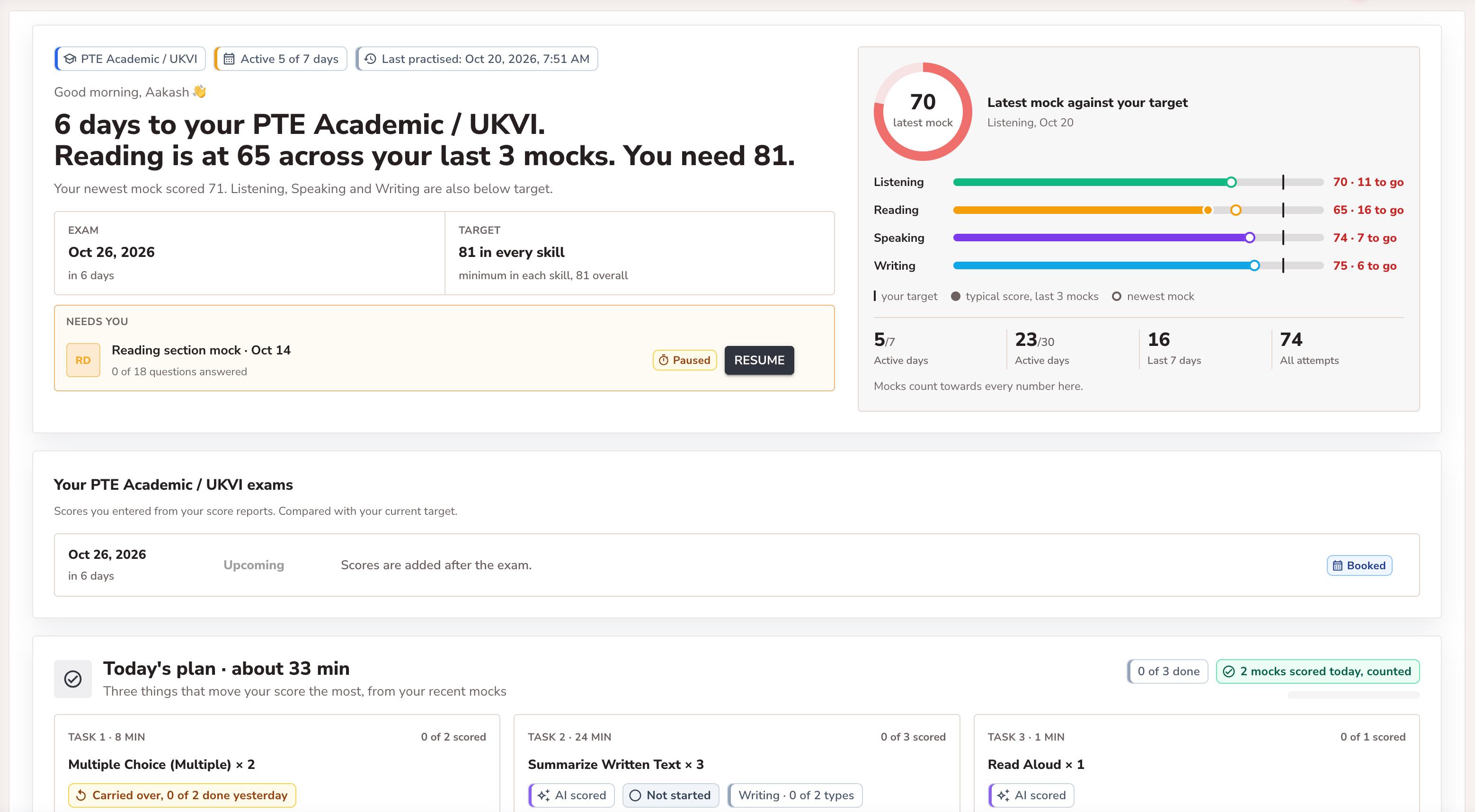 Education Technology
Client
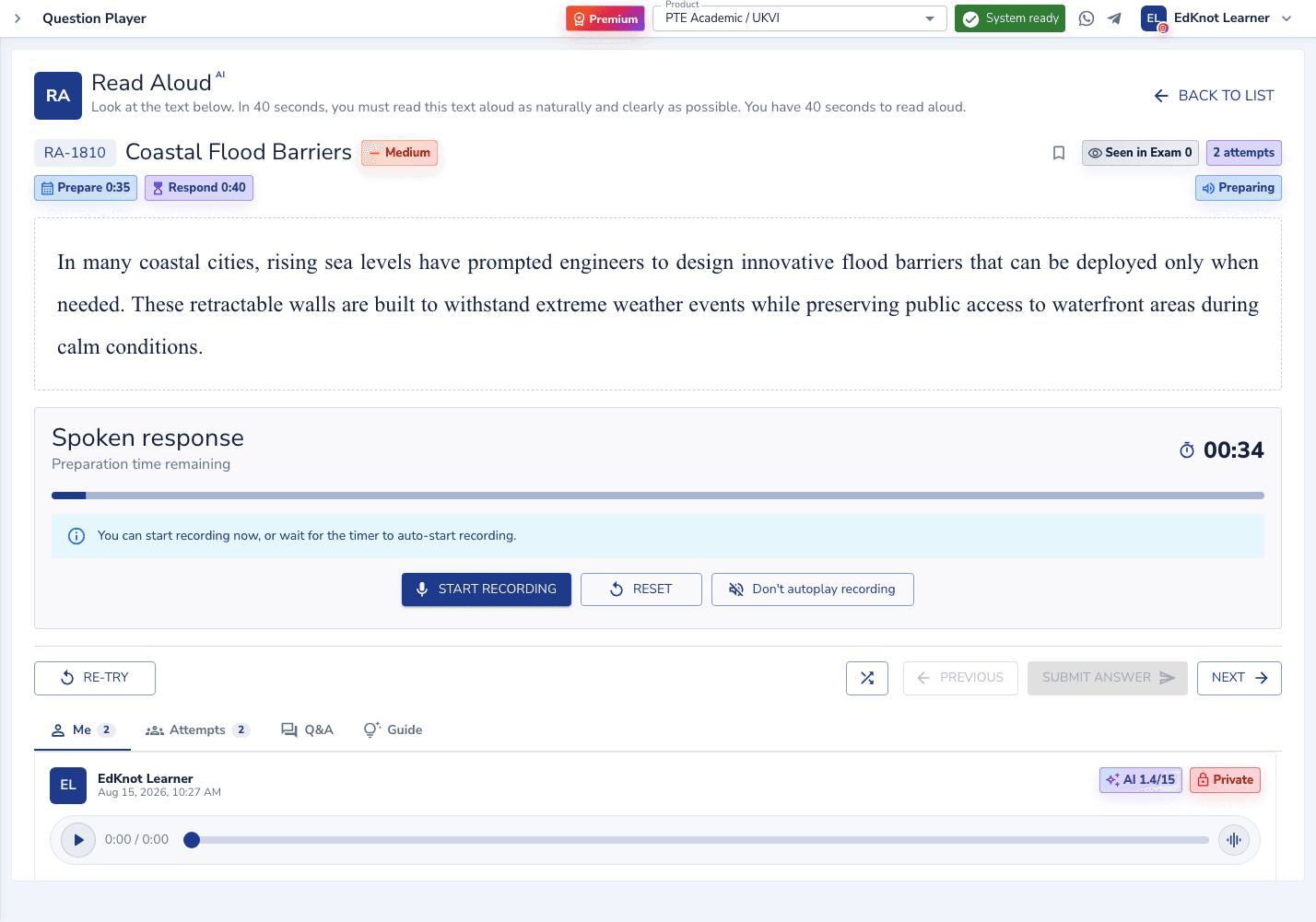
EdKnot
practice questions
Making PTE preparation more focused with AI-powered practice
- Web Application Development
- EdTech Platform
- AI Integration
- Read the case study
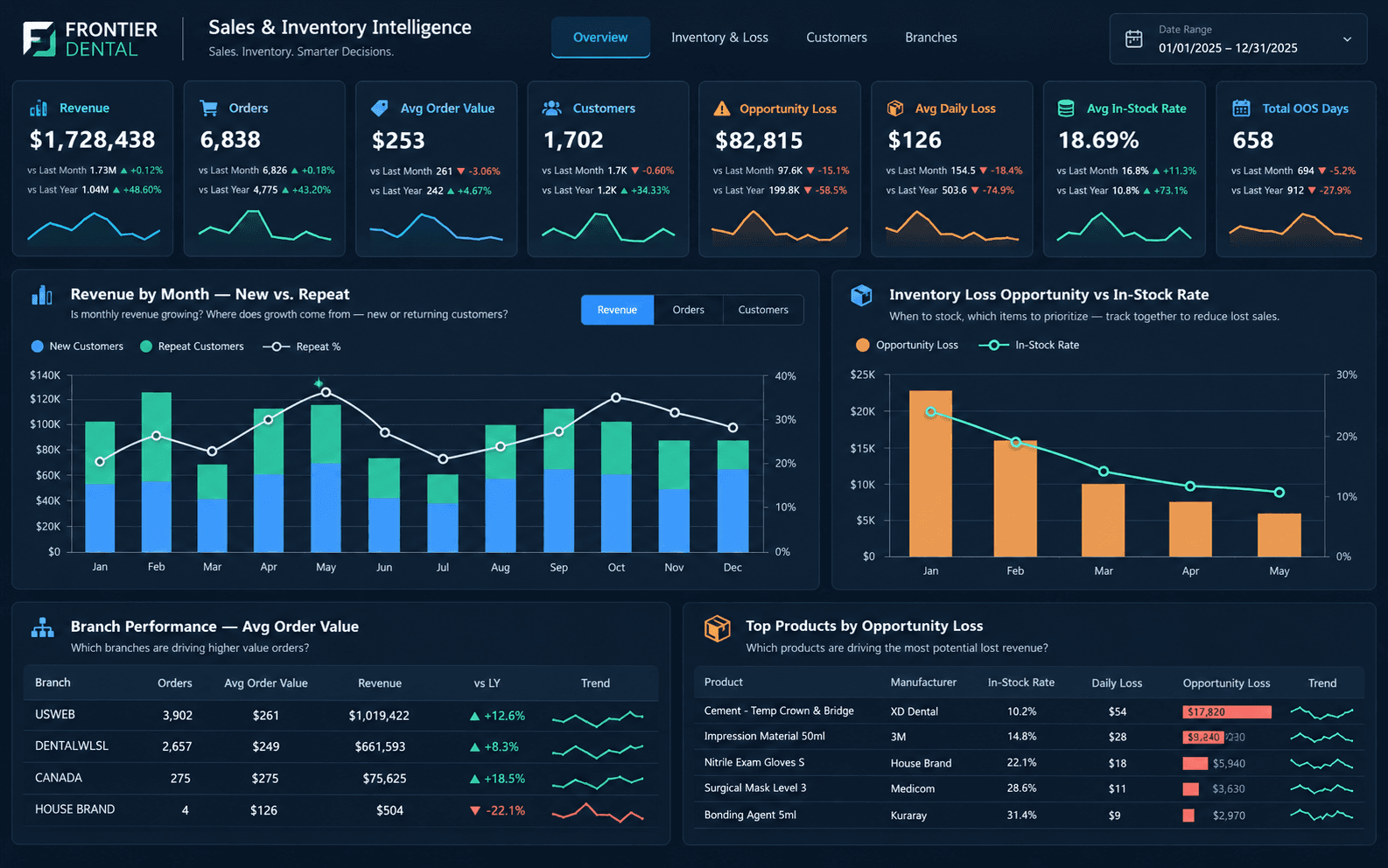 Power BI
Client
ITC
reporting areas in one view
Bringing sales and inventory into one reporting view
- Power BI
- Sales Analytics
- Inventory Intelligence
- Read the case study
 UiPath
Client
RPA
automation projects
RPA across operations, clinics, and compliance
- UiPath
- Workflow automation
- System integration
- Read the case study
Explore the full portfolioAll case studies
FAQ
Common questions.
Insights
Related reading.

Related services
Often combined with.
 Software engineered around how your business actually operates.
Custom software development
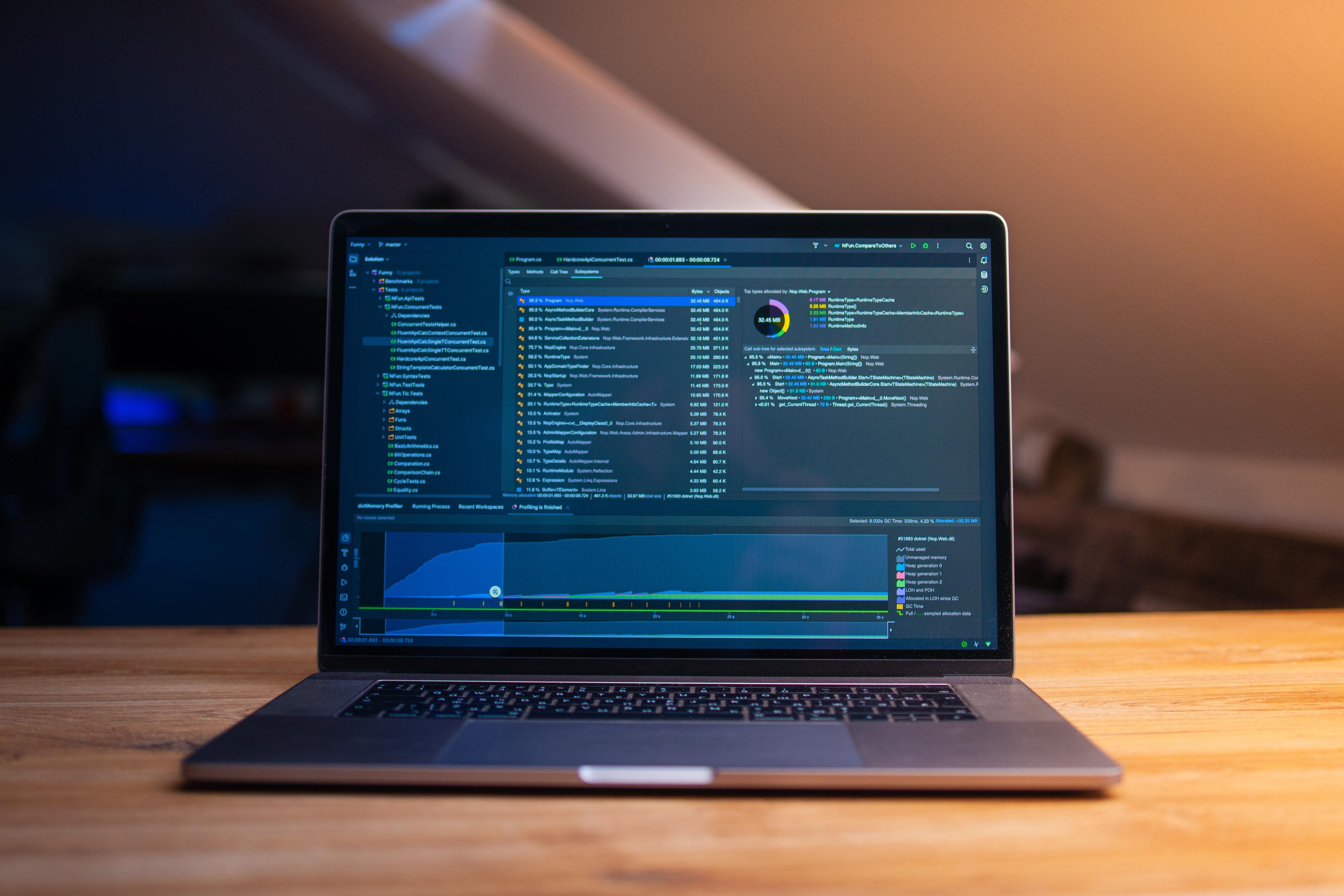 Fast, secure web platforms for customers, partners, and internal teams.
Web application development
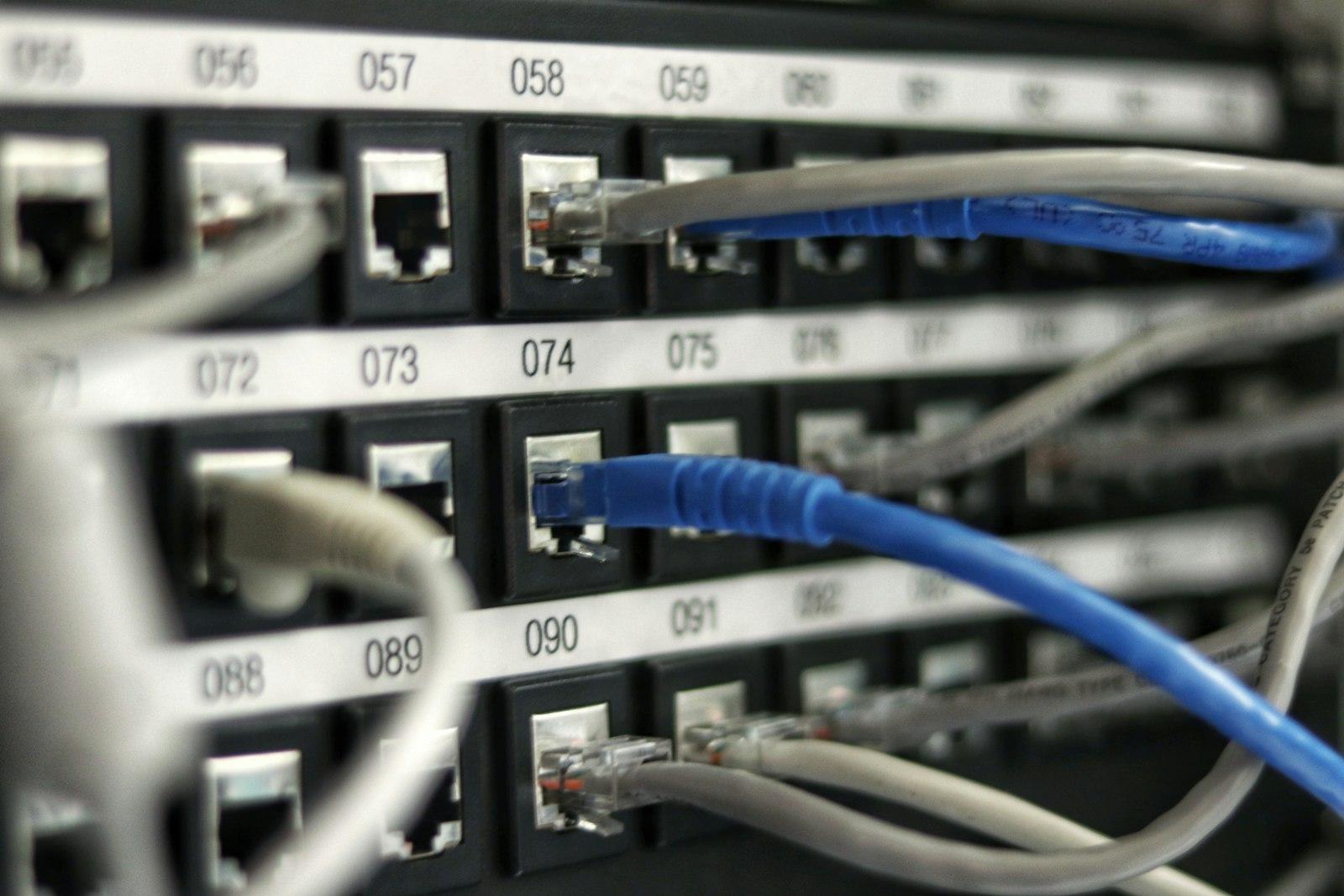 Connected systems, so data moves reliably across the business.
System integration
Explore every capabilityAll services
Let’s build what’s next
Tell us what you are building and we will show you how we would deliver it.