
ServicesCustom softwareStartups to enterprise
Software engineered around how your business actually operates.

Overview
What this service covers.
We design and build custom software for products and internal systems: clarifying requirements, choosing architecture, developing backend and frontend, connecting data flows, and leaving a codebase your team can maintain as needs change.
Off-the-shelf software works until the way your business operates stops matching the way the product was designed. At that point teams start bending their process around the tool, keeping side spreadsheets, or paying for features they work around every day.
Custom software development (or custom software engineering) is for the parts of your product or operations that are specific enough to deserve their own system. We take it from requirements through architecture, backend, frontend and integrations, and we build it so your own engineers can keep changing it after we hand it over.
A strong fit when
- Your workflow is a competitive advantage and generic tools force you to flatten it.
- You are outgrowing a prototype, no-code build or spreadsheet system that the business now depends on.
- An existing system needs to be extended, modernized or partly replaced without stopping operations.
- Several tools need to behave like one product, with shared data and consistent rules.
Consider another route when
- A mature SaaS product already covers the job well. Configuring it is usually cheaper than building.
- You need a marketing website rather than software people log into and use.
Capabilities
What we deliver.
- 01
Discovery and requirements
Clarify users, workflows, constraints, and success criteria before the build locks in the wrong shape
- 02
Product architecture
Structure services, data, and interfaces so the system can grow without becoming fragile
- 03
Backend development
APIs, business logic, auth, data models, and jobs that carry the real work of the product
- 04
Frontend development
Interfaces that match operational reality, not screens that only look finished in a demo
- 05
Integrations and data flows
Connect existing systems and keep data moving with clear ownership of failures and retries
- 06
Quality, deployment, and iteration
Testing, release paths, and handover practices that support change after the first launch
Tools and technologies
- Requirements and architecture
- Backend and APIs
- Frontend interfaces
- Integrations
- Testing and release
- Ongoing iteration
Approach
How we think about it.
- 01
Build vs. buy: deciding before you commit
The first question is not how to build something but whether it should be built at all. During discovery we look at what your team does today, which existing products come close, and where they break down. Sometimes the right answer is a well-configured off-the-shelf tool with a small integration around it. When it is not, you will know which parts are genuinely specific to your business, and those are the parts worth owning.
That boundary matters for cost. Custom work is most valuable where it encodes how you operate, and least valuable where it recreates commodity features such as authentication, billing or file storage. We use proven services for the commodity parts so the budget goes into the logic that makes the system yours.
- 02
Architecture that leaves room to change
Most software that becomes hard to maintain was not badly written line by line. It was structured around the first version of the requirements, so every later change cuts across it. We separate the domain logic, data model and interfaces so new requirements land in one place instead of five.
We keep the architecture as simple as the problem allows. A well-structured single application is easier to run than a set of services nobody needed yet. Where the system does need clear boundaries, for example because a mobile app, a partner API and an internal dashboard share the same backend, we design those contracts explicitly.
- 03
Working with your team
You see working software early and often. Each iteration ends with something you can click through, so feedback is about real behavior rather than documents. If your organization has engineers, they can review code, join planning and take over parts of the work as the project progresses.
Handover is planned from the start: code in your repositories, infrastructure in your accounts, documentation written for the people who will maintain the system, and a handover window to answer questions once it is in production.
How we work
From scope to release.
01
Stage 1Problem and requirements discovery
- You get
- Agreed problem statement, user roles, key workflows, constraints and success criteria.
02
Stage 2Architecture and delivery plan
- You get
- Architecture outline, technology recommendation, milestone plan and estimate.
03
Stage 3Build in visible iterations
- You get
- Working software at each iteration, reviewed with you.
04
Stage 4Test, harden, and deploy
- You get
- Automated tests on critical paths, a repeatable deployment and a hardened production release.
05
Stage 5Handover and continued improvement
- You get
- Documentation, environment access and a handover window, then optional scoped support.
Recent work
Recent client work.
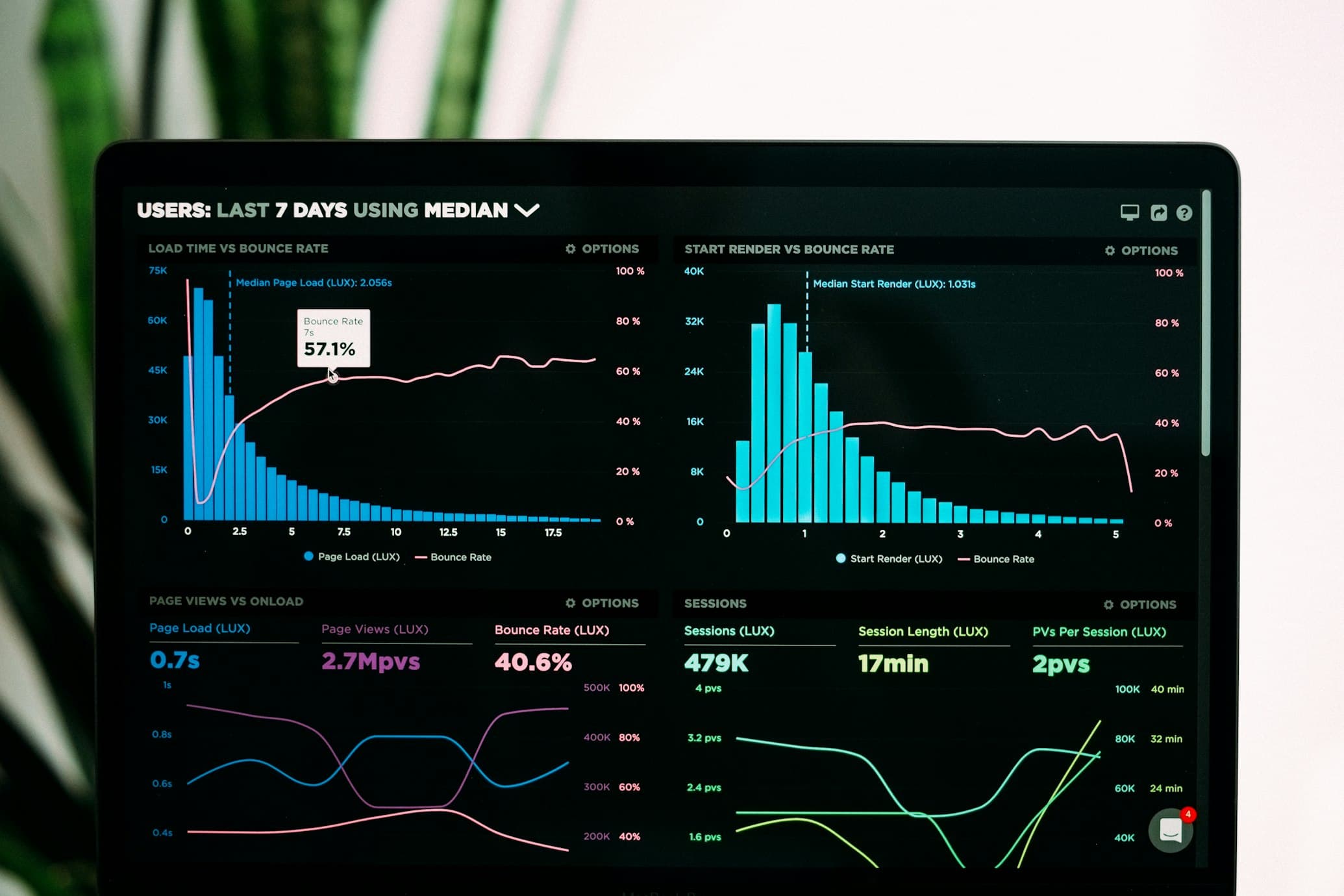
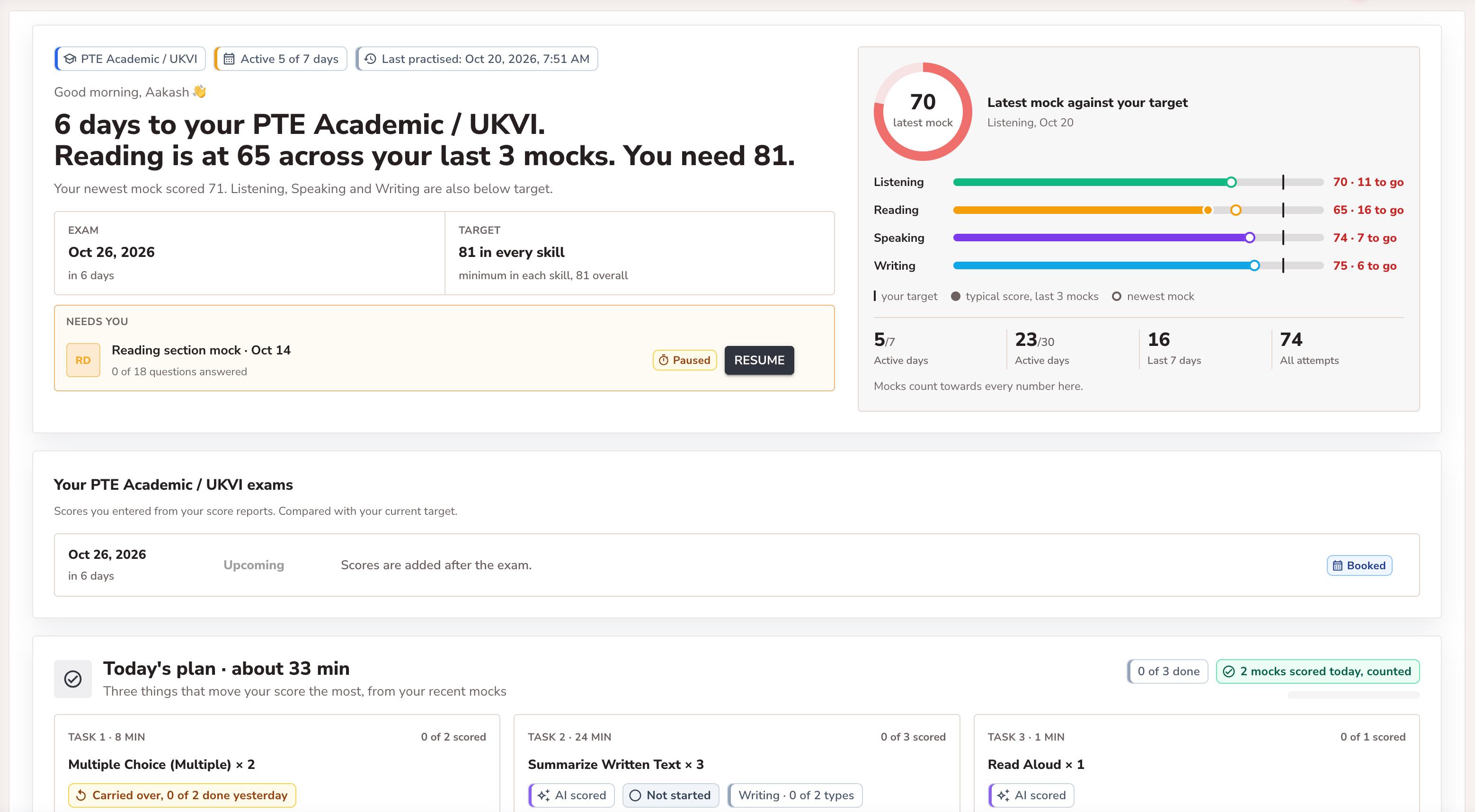 Education Technology
Client
EdKnot
practice questions
Making PTE preparation more focused with AI-powered practice
- Web Application Development
- EdTech Platform
- AI Integration
- Read the case study
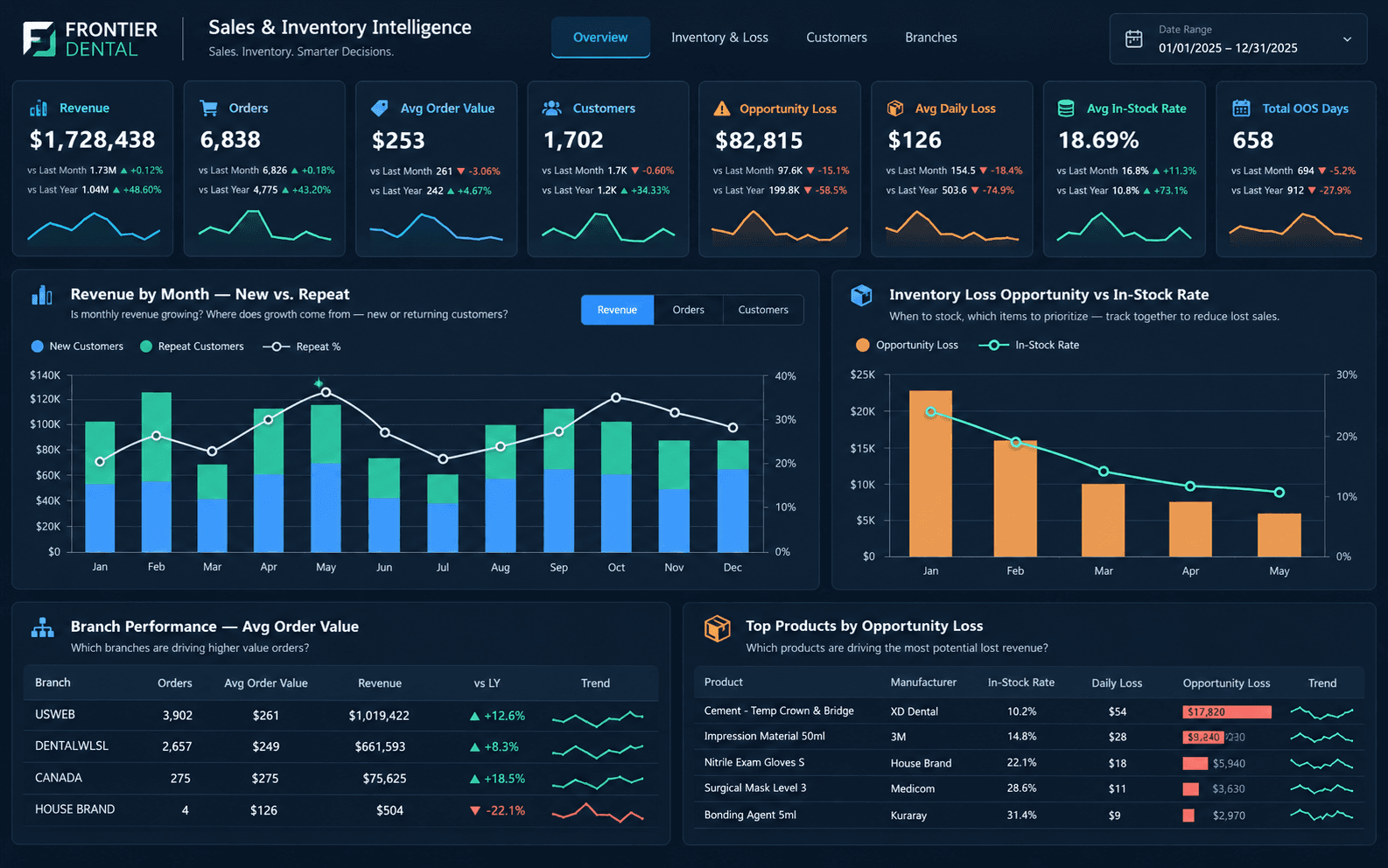 Power BI
Client
ITC
reporting areas in one view
Bringing sales and inventory into one reporting view
- Power BI
- Sales Analytics
- Inventory Intelligence
- Read the case study
 UiPath
Client
RPA
automation projects
RPA across operations, clinics, and compliance
- UiPath
- Workflow automation
- System integration
- Read the case study
Explore the full portfolioAll case studies
FAQ
Common questions.


Related services
Often combined with.
 Connected systems, so data moves reliably across the business.
System integration
 Cloud infrastructure and delivery pipelines built for reliable releases.
Cloud and DevOps
 Fast, secure web platforms for customers, partners, and internal teams.
Web application development
Explore every capabilityAll services
Let’s build what’s next
Tell us what you are building and we will show you how we would deliver it.